
Before Houston Was Houston
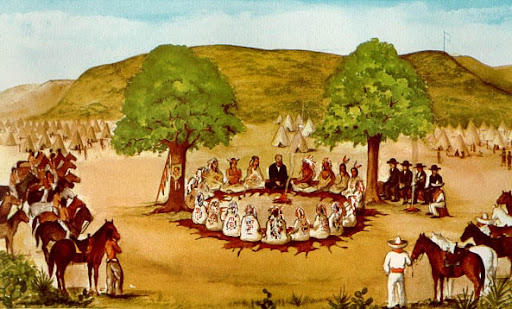
Long before gleaming skyscrapers pierced the Texas sky and sprawling highways stitched together the city’s neighborhoods, the region we now call Houston was a vast tapestry of bayous, forests, and prairies alive with the stories of its first inhabitants. The hum of cicadas, the murmur of rivers, and the smoke rising from cooking fires told the tale of human presence here for thousands of years – a story that began long before the Allen brothers ever dreamed of founding a city.
Centuries ago, the land between the Trinity and Brazos Rivers was home to indigenous communities who lived in harmony with the waterways that now define Houston’s geography. These were the Akokisa, Atakapa, and Karankawa – tribes whose lives were shaped by the ebb and flow of the Gulf Coast. They fished the bayous that wind through today’s city, hunted deer in the dense pine forests north of Buffalo Bayou, and gathered berries along the coastal plains. Each season brought new rhythms of survival, celebration, and community.
The Akokisa, the primary inhabitants of what is now the Houston area, were a small but resilient people. They built dome-shaped homes of cane and mud near the water’s edge and relied on both river and land for sustenance. To them, the bayous weren’t just waterways – they were lifelines, spiritual spaces connecting earth and sky, body and spirit. Their knowledge of the land was intricate: they knew which plants healed, which animals migrated, and which storms meant danger.
But their world began to change dramatically in the 1500s, when European explorers arrived on the Gulf Coast. The first recorded contacts with the Karankawa people along the coastline introduced disease, conflict, and cultural disruption. The slow wave of colonization that followed – Spanish missions, French traders, Mexican settlers, and eventually American expansion – would permanently reshape the destiny of these indigenous tribes.
Today, few Houstonians realize that beneath the concrete and glass of their modern city lies a deeper, older foundation – one built on the stories of native peoples whose legacy is still felt in the city’s place names, museum collections, and cultural festivals. Every November, during Native American Heritage Month, Houston pauses to honor this history, yet the story deserves to be told year-round – a reminder that the city’s roots run far deeper than the 19th century.
The history of Houston’s native tribes isn’t a mere prelude to modernity; it’s a living narrative of resilience and renewal. Understanding who the Akokisa, Karankawa, and Atakapa were helps us see Houston not just as an economic hub or a space-age metropolis but as part of a timeless human story – one of survival, adaptation, and respect for the land.
Indigenous Tribes of the Houston Area
Several Native American tribes originally lived in and around the Houston area, including the Karankawa, Akokisa, and Atakapa tribes. These coastal tribes relied on the bounty of the Gulf and the rivers for food and resources. They built villages along waterways and used the bayous for transportation and fishing.
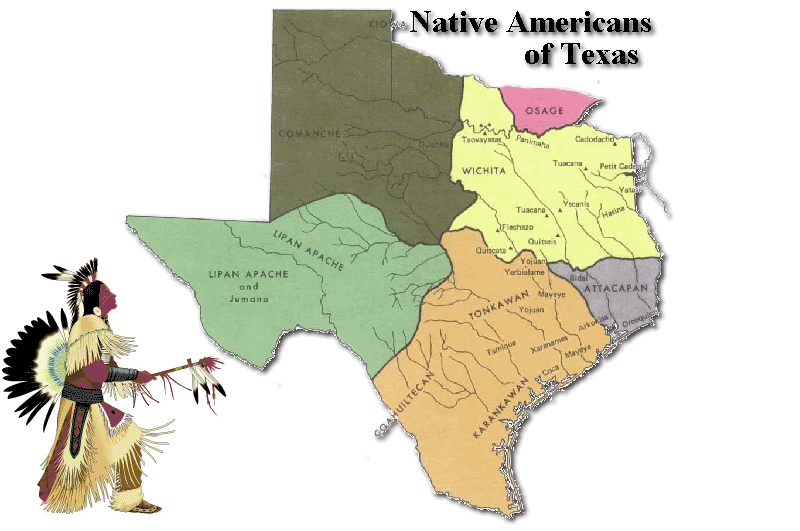
The Karankawa, known for their strength and maritime skills, inhabited coastal areas and relied on fishing, hunting, and gathering. Their influence spanned across what is now the Greater Houston area, extending into the Galveston Bay region.
The First Inhabitants of the Houston Region
The Akokisa Tribe – The Original People of the Bayous
The Akokisa were among the first documented tribes in the lower Trinity River and upper Galveston Bay region. Anthropologists believe they were a branch of the Atakapa linguistic family, known for their fishing skills and river-centered culture.
They lived in semi-nomadic bands, moving with the seasons to follow food sources. Their diet consisted of fish, oysters, deer, wild plants, and nuts. Archaeological finds – such as shell middens and bone tools – suggest that their settlements lined the bayous that later became the foundation for Houston’s urban layout.
Their villages were small, typically fewer than 50 people, but their knowledge of the land was immense. The Akokisa’s cane-and-thatch dwellings blended into the landscape, and their spirituality tied them closely to the cycles of nature.
The Karankawa – Warriors of the Gulf Coast
South of the Akokisa lived the Karankawa, a coastal tribe stretching from Galveston Bay down to Corpus Christi. The Karankawa were taller than most other tribes – Spanish explorers noted their imposing stature and distinctive body paint. Their reputation as fierce warriors sometimes overshadowed their family-oriented and spiritual nature.
They navigated the shallow bays in dugout canoes, hunted with long bows, and traveled seasonally between inland and coastal camps. Their language, now extinct, remains a mystery, though efforts continue to reconstruct their heritage through artifacts and oral traditions passed down among descendants.
The Atakapa and Lipan Apache – From the Coast to the Plains
The Atakapa, neighbors to the Akokisa, occupied the coastal region between present-day Houston and western Louisiana. They shared similar diets and spiritual beliefs, often focusing on the interconnectedness of life and the land. Farther west, the Lipan Apache roamed the plains, bringing trade goods and stories that connected Houston’s tribes to a broader indigenous network stretching across Texas.
Native American Culture and Traditions
The tribes of the Houston region developed vibrant cultures with unique languages, customs, and spiritual practices. Native American ceremonies often centered around the natural world, showing reverence to the land, animals, and the spirits that guided them.
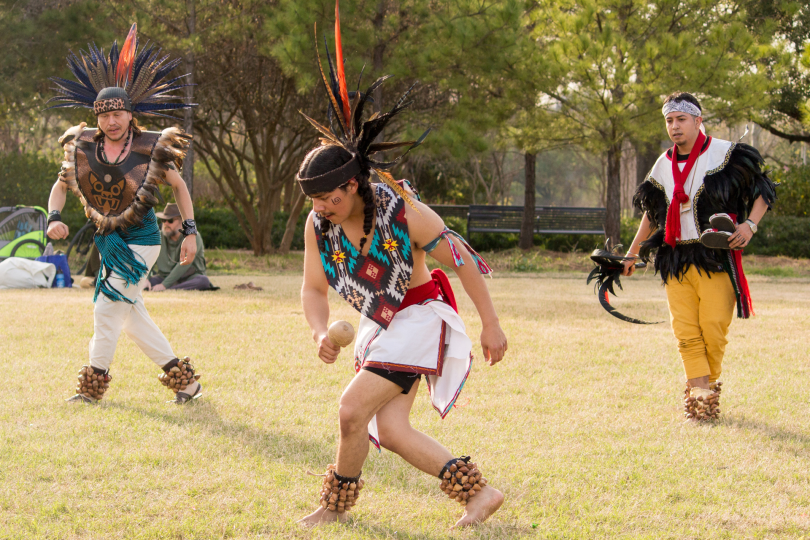
Craftsmanship also played a key role in the cultural practices of these tribes. From intricately woven baskets to expertly crafted tools, artifacts reveal the skill and ingenuity of these early inhabitants. Storytelling traditions passed down knowledge through generations, preserving history and life lessons that shaped their communities.
European Arrival and the Changing Landscape
By the 1600s and 1700s, the Gulf Coast became a contested frontier for Spanish, French, and later Mexican explorers. The indigenous tribes, once dominant, found themselves increasingly caught between foreign powers seeking land, converts, and trade routes.
The Spanish missions attempted to convert local tribes to Christianity, but these efforts often led to disease outbreaks and cultural loss. European-introduced illnesses decimated populations that had no natural immunity. The once-thriving Akokisa settlements dwindled, their members merging with neighboring groups or fleeing inland.
By the early 1800s, when Anglo-American settlers began moving into Texas, most of Houston’s original inhabitants had disappeared from the written record – though their presence remained in the stories of early settlers who still encountered “Bayou Indians” near Galveston Bay.
Conflict and Displacement During Colonization
The arrival of European settlers and the spread of diseases such as smallpox devastated Native American populations. Spanish, French, and later Anglo settlers encroached on tribal lands, leading to conflict and displacement. By the early 19th century, the majority of indigenous tribes had either migrated or were forcibly removed from the Houston area.
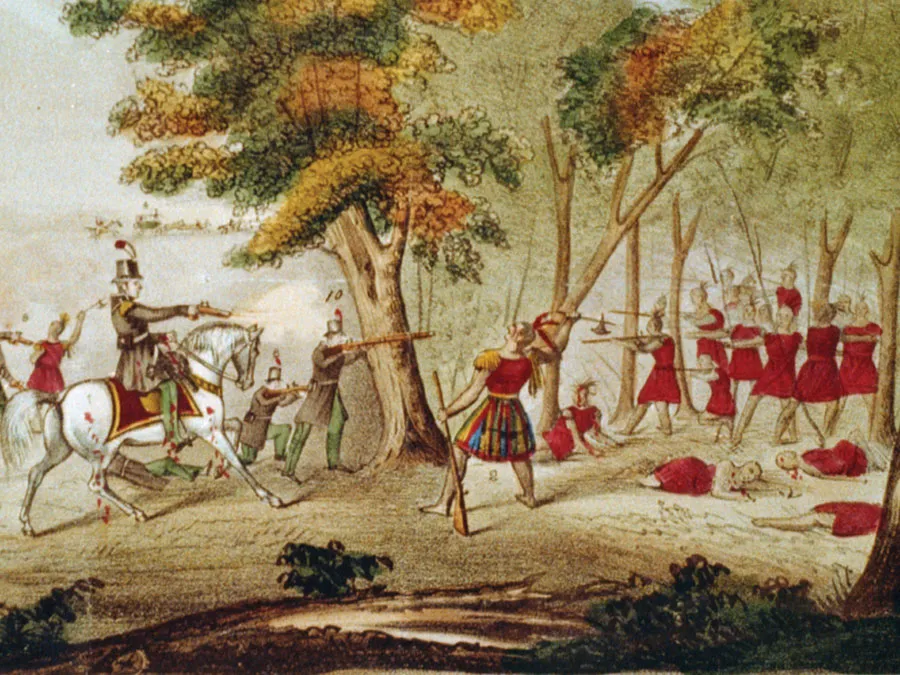
Treaties were often broken, and tribes were pushed westward or further south into less fertile lands. The cultural disruption caused by colonization left a significant impact on the remaining Native American communities, altering their way of life forever.
Sam Houston and Native American Relations
Few names are as tightly woven into Texas history as Sam Houston, the man for whom the city is named. Yet beyond politics and statehood, Houston’s personal connection to Native American life is one of his most defining traits.
As a young man, Sam Houston lived among the Cherokee Nation in Tennessee after running away from home. He was adopted by Chief Oolooteka and given the name “Colonneh” (the Raven). This experience shaped his lifelong empathy toward Native Americans and influenced his political career.
When Houston became the President of the Republic of Texas (1836–1838), he pursued policies of negotiation and coexistence, seeking to protect both settlers and tribes. His successor, Mirabeau B. Lamar, took the opposite approach – advocating aggressive removal of tribes from Texas lands.
This clash of visions – Houston’s diplomacy vs. Lamar’s hostility – marked a pivotal moment in Texas history. Houston’s policies may not have saved every tribe, but they reflected an understanding that Native Americans were not outsiders; they were the original Texans.
Native American Influence on Houston’s Development
Despite displacement, the influence of Native American tribes persisted in the names of rivers, streets, and communities throughout Houston. Names such as Katy and Pasadena reflect indigenous heritage and connections to the land. Additionally, Native American artifacts have been discovered throughout the region, providing insight into early life along the Gulf Coast.
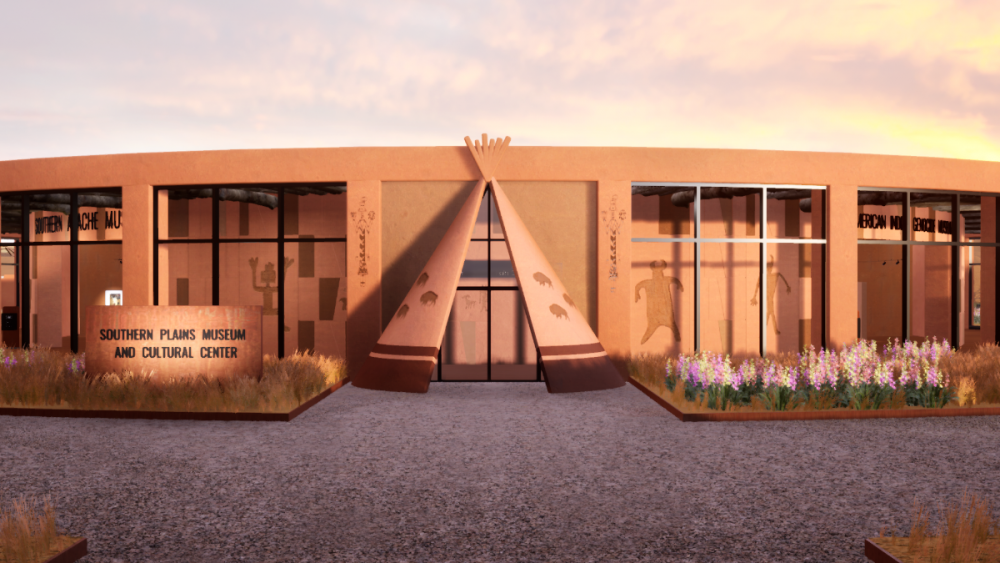
Many aspects of Native American environmental practices, such as controlled burns and sustainable hunting methods, influenced future land management strategies in the area.
What Happened to the Indigenous Tribes?
By the mid-19th century, most of Houston’s indigenous communities had either perished or been displaced. The Akokisa vanished as a distinct tribe, absorbed into others or lost to disease. The Karankawa were driven south and eventually annihilated by conflict and colonization.
Yet traces of their presence endure. Names like Atascocita and Sabine, derived from native words, still echo through the region. Archaeological sites across Harris County reveal pottery shards, tools, and burial grounds that confirm the long human story beneath Houston’s soil.
Modern historians and archaeologists are piecing together these fragments, ensuring that the first Houstonians are never forgotten.
Modern Recognition and Cultural Revival
Native American Presence in Today’s Houston
Though the ancient tribes no longer exist as distinct entities, Houston remains home to thousands of Native Americans representing dozens of nations across North America. Organizations such as the American Indian Center of Houston promote cultural awareness, host community events, and provide support for indigenous people living in the city.
Each November, the Houston Powwow at Traders Village draws visitors from across the state – a celebration of drumming, dancing, art, and food that reconnects the modern city with its ancient roots.
Museums, Memorials, and Heritage Trails
Houston’s museums also play a vital role in preserving indigenous heritage. The Houston Museum of Natural Science showcases artifacts from Gulf Coast tribes, while universities like Rice and UH offer academic programs and land acknowledgment statements recognizing indigenous lands.
Even parks such as Sam Houston Park and Buffalo Bayou Park stand on historic grounds once traveled by native hunters and gatherers.
Honoring the Land – Acknowledging Houston’s Indigenous Past
In recent years, Houston institutions have begun incorporating land acknowledgments, recognizing that the city stands on the traditional territories of the Akokisa, Atakapa-Ishak, and Karankawa peoples.
Such gestures mark a shift from forgetting to remembering – a way of saying that the city’s story doesn’t begin with steel and oil but with water, earth, and memory.
Why This History Still Matters
Houston’s indigenous history is more than a footnote – it’s the foundation of the city’s identity. In recognizing the Akokisa, Karankawa, and others, we gain not only historical understanding but also a richer sense of belonging.
The resilience of these tribes, their respect for nature, and their cultural adaptability mirror the spirit of Houston itself – a city that continues to grow, rebuild, and reinvent while never losing its connection to the land.
To honor them is to acknowledge that the story of Houston is, above all, a story of endurance.
Modern Tribes and Native American Presence in Houston Today
Today, Houston is home to a thriving Native American community that continues to celebrate and preserve its heritage. Organizations like the American Indian Center of Houston offer cultural programming, educational initiatives, and social services to Native Americans from various tribes across the region.
Additionally, annual events such as powwows bring together Native American families and community members to honor traditional dances, crafts, and music. These events help maintain a connection to heritage and ensure that Houston’s Native American legacy is not forgotten.
Preserving Native American Heritage Through Education
Local museums and educational institutions play a role in preserving Native American history in Houston. The Houston Museum of Natural Science features exhibits on the region’s indigenous past, showcasing artifacts and cultural materials. Schools and universities also incorporate Native American history into their curricula, helping students understand the city’s origins and its connection to indigenous peoples.
Houston continues to support initiatives that recognize the contributions of Native Americans, promoting awareness and respect for their heritage. This acknowledgment fosters a deeper appreciation of the city’s diverse history and encourages dialogue about the region’s indigenous roots.
Frequently Asked Questions
What Native American tribes lived in Houston, Texas?
The primary tribes were the Akokisa, Atakapa, and Karankawa, with occasional presence from Lipan Apache and other nomadic groups.
Who were the Akokisa people?
They were the original inhabitants of the Houston area, living along the bayous and Galveston Bay, known for fishing, hunting, and deep knowledge of the coastal ecosystem.
How did Sam Houston interact with Native Americans?
He lived with the Cherokee as a young man and later, as the President of the Republic of Texas, advocated for peaceful coexistence with tribes.
Are there Native American communities in Houston today?
Yes. Houston hosts thousands of Native Americans from various tribes, supported by organizations such as the American Indian Center of Houston.
Where can I learn more about indigenous history in Houston?
Visit the Houston Museum of Natural Science, Sam Houston Park, and attend the annual Houston Powwow for an immersive experience.