

The Phrase That Echoed Through Time
“Houston, we have a problem.”
Few words have traveled so far – from the depths of space to the heart of pop culture, from a moment of near tragedy to a timeless metaphor for resilience. This phrase, uttered over fifty years ago, still resonates not only as a symbol of crisis but also of calm, collaboration, and human ingenuity in the face of the unknown.
It’s hard to imagine today, but when the Apollo 13 mission lifted off on April 11, 1970, it was meant to be routine. NASA’s third attempt to land men on the Moon carried astronauts Jim Lovell, Jack Swigert, and Fred Haise – three highly trained pilots who represented the pinnacle of American engineering and ambition. Yet, only two days later, a small explosion turned their voyage into one of the most dramatic rescue missions in history.
And at the center of it all was Houston – not just a city in Texas, but the lifeline between the astronauts and Earth.
The Real Story Behind the Words
The phrase most people know – “Houston, we have a problem” – wasn’t exactly what was said during the Apollo 13 crisis.
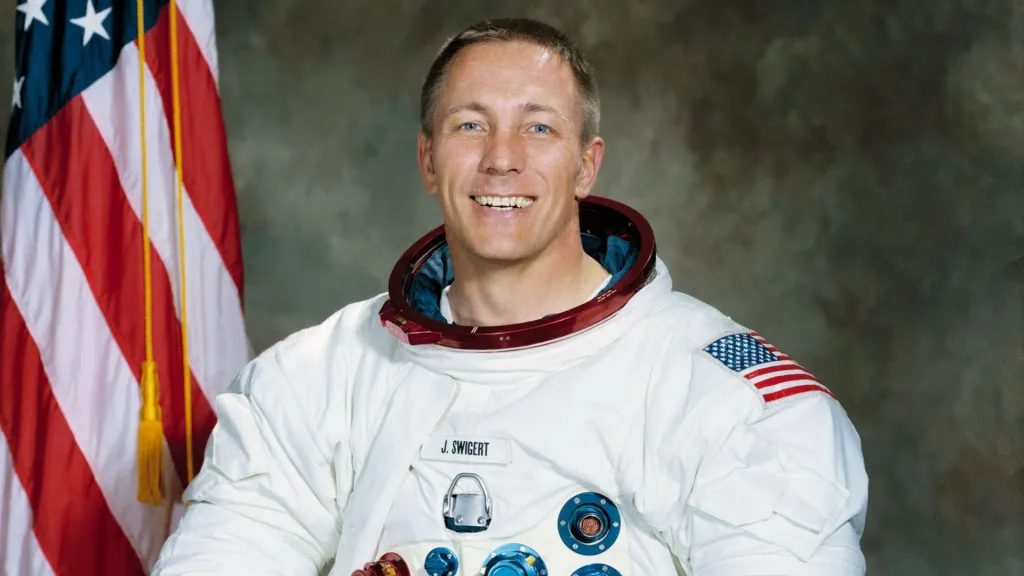
The actual words, recorded at 9:08 p.m. on April 13, 1970, came from astronaut Jack Swigert, who calmly reported:
“Okay, Houston, we’ve had a problem here.”
Moments later, Jim Lovell repeated it, adding clarity:
“Houston, we’ve had a problem.”
Those measured words, spoken amid confusion and danger, signaled the start of a race against time. A routine oxygen tank stir had caused an explosion, crippling the spacecraft and jeopardizing the lives of all three astronauts.
Inside Mission Control: The Heartbeat of Houston
On the ground, NASA’s Mission Control Center, located in Houston’s Johnson Space Center, became the brain and pulse of the rescue. Rows of engineers, scientists, and flight directors worked tirelessly, calculating fuel reserves, rerouting power, and improvising survival strategies.
The atmosphere was tense yet focused – a reflection of Houston’s spirit even today. Every solution came not from panic, but from creativity and cooperation.
Flight Director Gene Kranz famously declared:
“Failure is not an option.”
This mindset – one of persistence and precision – helped bring Apollo 13 safely home. After four grueling days, the astronauts splashed down in the Pacific Ocean, alive and victorious. It was one of humanity’s greatest technical recoveries – and Houston was at its core.
How a Misquote Became Immortal
So how did “Houston, we have a problem” become the famous version?
The answer lies in Hollywood.
In 1995, director Ron Howard’s film “Apollo 13”, starring Tom Hanks as Commander Jim Lovell, dramatized the mission with breathtaking realism. But for cinematic rhythm, the line was slightly altered to:
“Houston, we have a problem.”
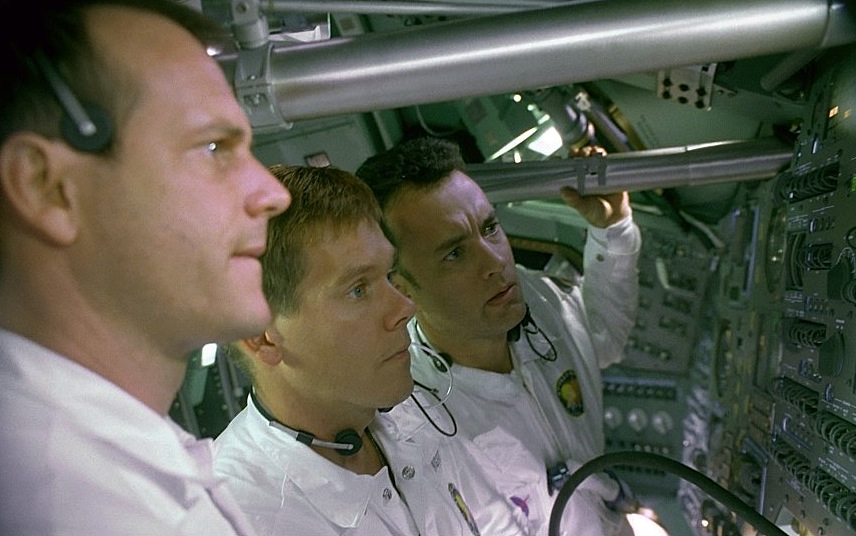
The revised quote flowed better, was easier to remember, and perfectly captured the tone of controlled urgency. From that moment, the phrase leaped beyond history into everyday language – becoming shorthand for any unexpected challenge.
Today, it appears in songs, memes, speeches, and even marketing campaigns. From presidential addresses to late-night talk shows, “Houston, we have a problem” has become a universal signal of trouble – but also of determination.
Houston’s Identity in the Words
Ironically, the quote that began as a message of distress became a source of pride for the very city it addressed.
Houston, long known as the “Space City,” embraced the phrase as part of its identity.
Every visitor who steps into the Space Center Houston or tours the Historic Mission Control Room can still feel the echo of those words. The consoles remain preserved, lights flickering softly, as if waiting for another call from space.
What makes the phrase powerful isn’t the problem itself – it’s the response.
It’s about Houston’s ability to face the impossible, to innovate under pressure, and to lead the world in turning crisis into progress.
From Space Missions to Groundbreaking Solutions
Fast-forward five decades, and Houston still lives by that same spirit of ingenuity. The city that once guided astronauts through the void is now guiding industries, innovators, and dreamers through modern challenges.
1. NASA’s Legacy Lives On
At the Johnson Space Center, NASA continues to push boundaries – from deep-space exploration to human missions to Mars. Engineers here are developing the next generation of spacecraft and robotic technologies, ensuring that Houston remains the command center for the stars.
Visitors can walk through the Rocket Park, stand beneath the enormous Saturn V rocket, or even talk to astronauts-in-training at Space Center Houston. It’s an awe-inspiring reminder that space innovation isn’t frozen in the past – it’s alive, evolving, and distinctly Houstonian.
2. Medical Miracles and Life-Saving Technology
Houston’s pioneering spirit extends far beyond space. The Texas Medical Center – the largest medical complex in the world – mirrors the same precision and innovation seen in Mission Control.
Here, surgeons perform complex procedures once thought impossible, researchers develop new therapies for cancer and heart disease, and biotech startups turn ideas into life-saving technologies.
Just as Apollo engineers improvised a CO₂ filter with duct tape and plastic bags, Houston’s doctors and scientists find ingenious ways to solve real-world problems.
3. Energy and Sustainability: Houston Reinvents Itself
Once synonymous with oil and gas, Houston is now transforming into a global hub for renewable energy and climate innovation. Initiatives like the Houston Energy Transition Initiative (HETI) are redefining what it means to be an energy capital in the 21st century.
Solar research labs, wind energy projects, and hydrogen technology startups are rising across the city – echoing the same determination NASA showed in 1970: adapt, innovate, and never stop exploring.
4. Cultural Vibrancy and Creative Power
But Houston’s resilience isn’t just technical – it’s cultural.
The city thrives on diversity, home to people from more than 145 countries, and that melting pot has shaped a dynamic arts and culinary scene. From the murals of East Downtown to the live jazz clubs of Midtown, Houston radiates creativity born from collaboration.
This fusion of science, art, and multicultural energy is exactly what keeps the city moving forward – turning every “problem” into an opportunity to create, connect, and celebrate.
From a Phrase to a Philosophy
When you walk through the streets of Houston today – past the sleek skyscrapers, sprawling medical campuses, and buzzing tech hubs – it’s easy to forget that this modern metropolis once symbolized crisis. Yet beneath every layer of glass and steel lies a quiet reminder: “Houston, we have a problem.”
But unlike most cities, Houston doesn’t fear those words.
It owns them.
This phrase has become more than just a quote – it’s a philosophy. A statement of how Houston, and by extension humankind, faces the unknown. Because behind every “problem” is a chance to prove what we’re capable of.
Reframing the Problem: How Houston Solves the Impossible
1. Space Exploration: Writing the Next Chapter
Half a century after Apollo 13, Houston’s connection to space has only deepened.
At NASA’s Johnson Space Center, the Artemis Program is preparing to return humans to the Moon – and eventually to Mars. The phrase “Houston, we have a problem” might one day echo across new worlds, but this time, Mission Control will respond with even greater confidence.
Visitors can now see how astronauts train in cutting-edge simulators, explore interactive mission exhibits, and even experience a virtual spacewalk.
It’s a tangible way to feel the pulse of a city that continues to look upward – always solving, always reaching.
2. Resilience in the Face of Disaster
Houston’s identity as a “problem-solver” isn’t limited to space or science.
Over the decades, the city has faced hurricanes, floods, and economic shifts, yet each challenge has only revealed more of its collective strength.
After Hurricane Harvey in 2017, Houstonians didn’t wait for help – they became the help.
Volunteers navigated boats through flooded neighborhoods, local restaurants turned into relief kitchens, and tech companies built apps to coordinate rescue efforts.
It was the spirit of Apollo 13 all over again – ordinary people improvising extraordinary solutions.
That’s the thing about Houston: it’s a city that meets adversity with ingenuity.
3. The Power of Innovation Across Industries
From aerospace and energy to medicine, AI, and sustainability, Houston is now one of America’s most innovative cities.
- The Ion Innovation Hub – a modern research center in Midtown – connects startups, universities, and corporations, sparking collaborations that rival Silicon Valley.
- The Texas Medical Center’s Innovation Institute accelerates biotech breakthroughs.
- And companies across the energy corridor are turning decarbonization into a new frontier of discovery.
In each of these, the “Houston, we have a problem” mindset thrives – not as a warning, but as a call to innovate.
The Pop Culture Legacy
“Houston, we have a problem” isn’t just NASA’s phrase anymore – it’s everyone’s.
It’s been quoted in music, comedy, politics, and sports. It’s the tagline for memes, motivational posters, and even coffee mugs.
But beneath the humor, the phrase carries a subtle admiration – for calm under pressure, for professionalism, and for teamwork.
In many ways, it became the most relatable phrase from outer space:
a recognition that problems are inevitable, but panic is optional.
Tom Hanks once said in an interview about Apollo 13:
“It wasn’t about heroes in capes. It was about engineers with pencils saving lives with math.”
That’s the essence of Houston – humble heroism, human intelligence, and quiet determination.
Where to Experience Houston’s Space Legacy Today
For travelers, history enthusiasts, or locals who want to reconnect with their city’s cosmic roots, Houston offers several can’t-miss experiences:
- 🧭 Space Center Houston – the official visitor center for NASA’s Johnson Space Center, featuring spacecraft, simulators, and live mission briefings.
- 🚀 Rocket Park – home to one of the only three remaining Saturn V rockets in the world, displayed in full scale.
- 🎧 Historic Mission Control Tour – step inside the very room where engineers guided Apollo 13 back to Earth.
- 🌌 Tram Tours and Astronaut Gallery – explore behind-the-scenes areas and see real suits worn in space missions.
These experiences turn the quote “Houston, we have a problem” into something you can feel, see, and touch — the heartbeat of human problem-solving.
Why the Phrase Still Matters
In 1970, those six words carried fear.
Today, they carry hope.
They remind us that even when systems fail, communication falters, or circumstances seem impossible, solutions are within reach – if we think clearly and work together.
That’s why, in Houston, the phrase has flipped its meaning. It’s no longer about trouble. It’s about trust – trust in collaboration, science, and perseverance.
And in that sense, it perfectly describes the city itself:
resilient, brilliant, endlessly inventive.
So the next time someone says, “Houston, we have a problem,” you can smile and think:
Good – because Houston is where problems get solved.
Frequently Asked Questions
Who actually said “Houston, we have a problem”?
The phrase originated during the Apollo 13 mission. Astronaut Jack Swigert first said, “Okay, Houston, we’ve had a problem here,” followed by Jim Lovell repeating it. The popular version came later from the 1995 film Apollo 13.
What caused the problem on Apollo 13?
An oxygen tank exploded due to an electrical fault, crippling the spacecraft’s power and life-support systems. The crew had to shut down most systems and rely on the lunar module as a “lifeboat.”
What is the real quote from Apollo 13?
The authentic communication was, “Houston, we’ve had a problem,” not “we have a problem.” The past tense version reflects that the issue had already occurred when the astronauts reported it.
Why do people still use this phrase today?
It’s become a global idiom for calmly acknowledging difficulties – and for Houston, it symbolizes resilience, innovation, and teamwork in solving those difficulties.
Can you visit NASA’s Mission Control in Houston?
Yes! You can take the Historic Mission Control Tour at Space Center Houston, where the Apollo missions were coordinated. It’s one of the most popular attractions in the city.